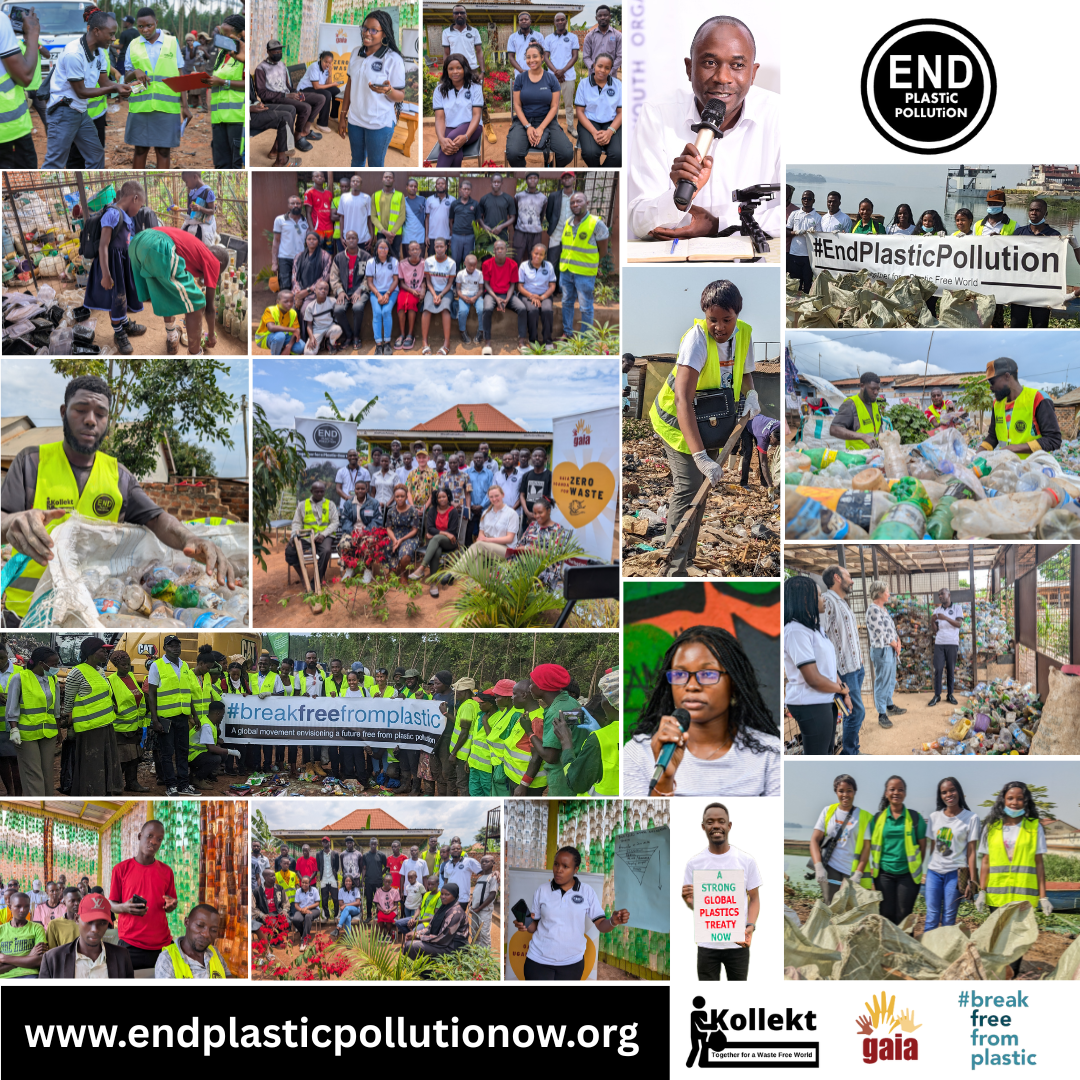
In 2025, End Plastic Pollution (EPP) advanced its mission to address the intersections of people, environment, and economy through focused efforts on plastics policy, zero waste implementation, and climate action. Key highlights include recovering over 50 tons of plastic waste, empowering youth through zero waste training programs, mainstreaming organic waste management, and advocating for a strong global plastics treaty. Collaborations with organizations like GAIA, Break Free From Plastic, and GAYO Uganda amplified our impact, while community-based initiatives in Masuulita Town demonstrated scalable zero waste models. Despite challenges like illegal dumping and policy gaps, EPP's work contributed to methane mitigation, job creation for waste pickers, and increased community awareness, setting a foundation for expanded action in 2026.
EPP is dedicated to combating plastic pollution and promoting zero waste solutions in Uganda and beyond. Our work emphasizes community-driven approaches, waste picker integration, youth empowerment, and policy advocacy. In 2025, activities centered on The Kollekt Village in Masuulita Town as a model zero waste hub, with outreach extending to events, trainings, and international collaborations. We leveraged social media to share educational content, impact stories, and calls to action, reaching thousands through posts on X, Facebook, Instagram, Threads and LinkedIn.
Key Activities and Achievements
Zero Waste Implementation and Waste Recovery
EPP's flagship zero waste model at The Kollekt Village achieved full functionality, promoting waste segregation, reuse, recycling, and organic recovery.
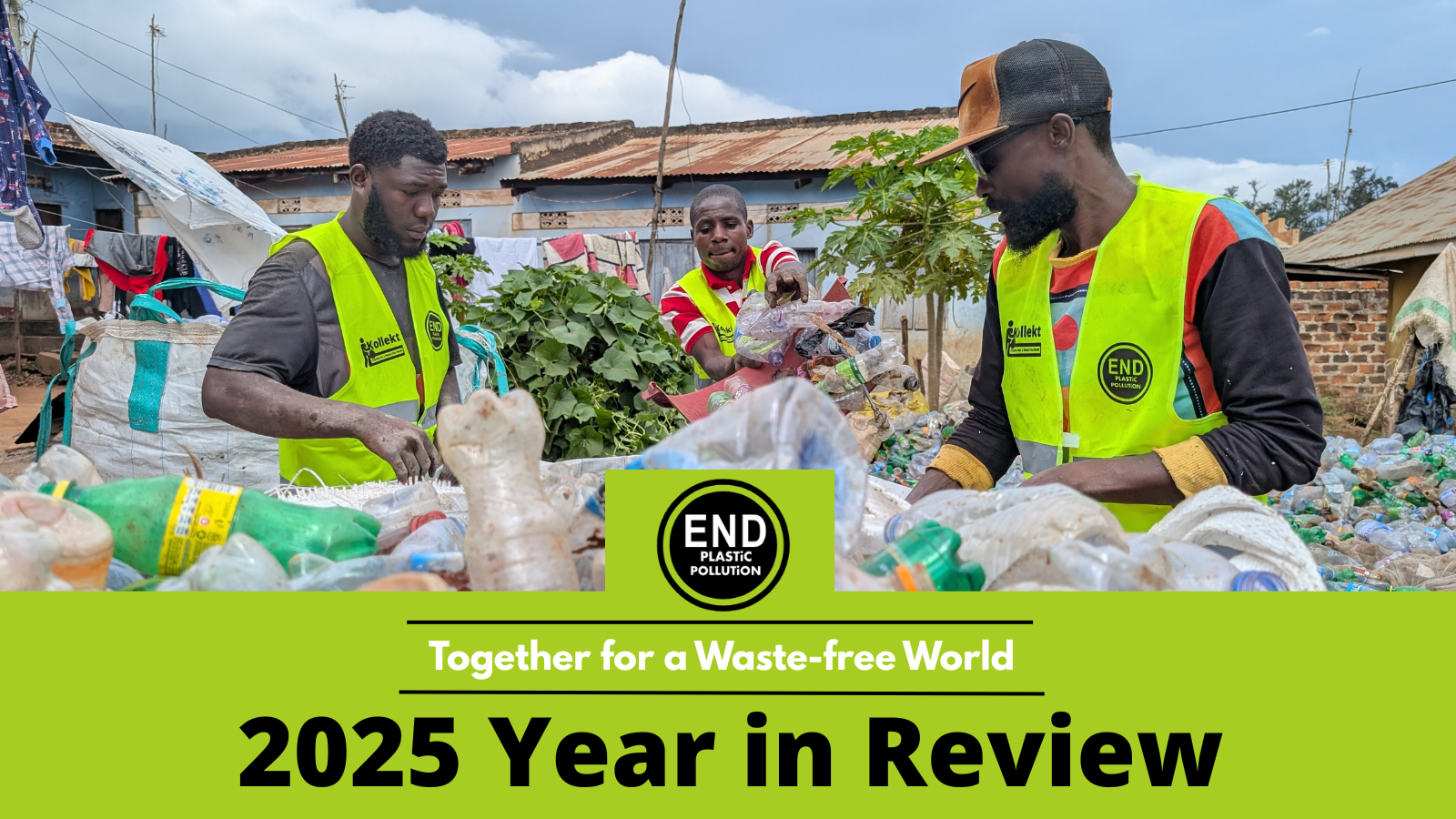
- Recovered the 20th ton of plastic waste by mid-year, diverting materials from landfills, reducing carbon emissions (equivalent to saving 1.5-2 tons of CO2 per ton recycled), and creating jobs for waste pickers.
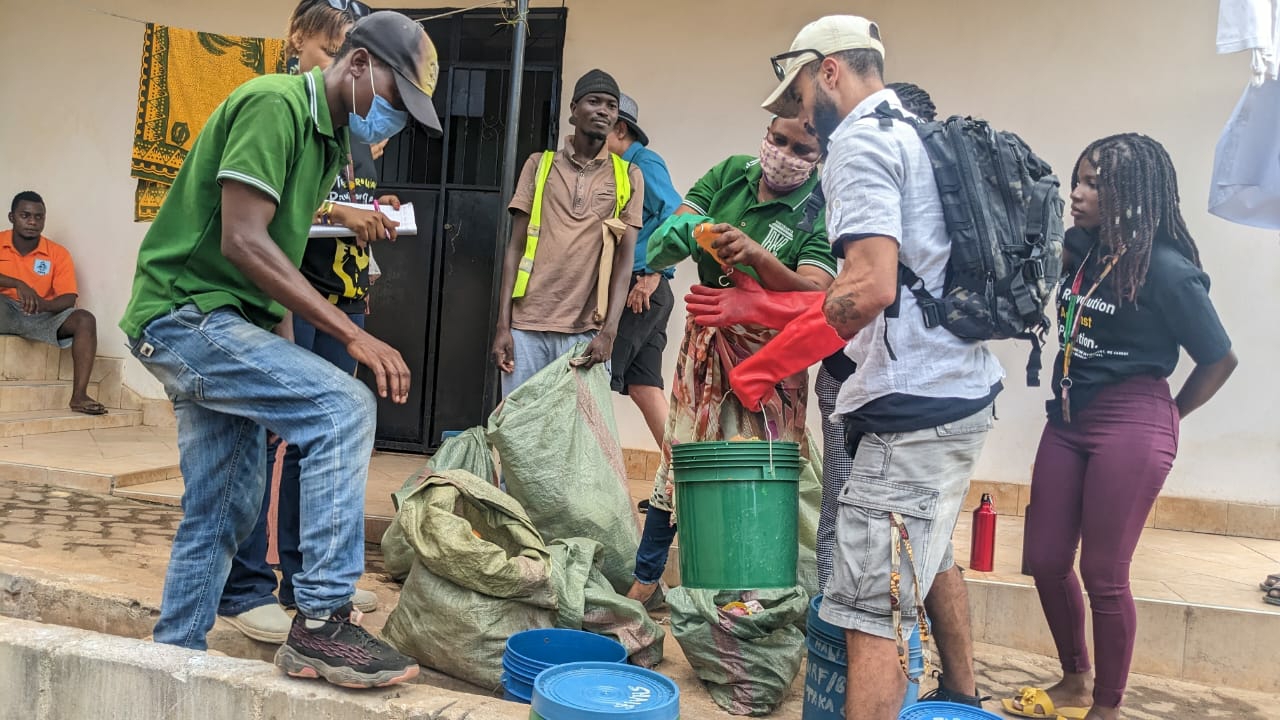
- Expanded the Materials Recovery Facility (MRF) with dedicated chambers for plastics, metals, glass, paper, and organics, integrating waste pickers like Lutakome Henry in sorting and management.
- Mainstreamed organic waste management in partnership with GAIA and the Climate and Clean Air Coalition (CCAC), converting crop residues and animal manure into compost. This supported local farming, boosted soil health, and mitigated methane emissions— organic waste comprises 50-60% of Uganda's total waste.
- Hosted experts from Eawag Research (Dr. Daniela Peguero) and Africa Circular for workshops on Black Soldier Fly (BSF) farming and circular economy solutions, enhancing organic waste valorization.
Youth Empowerment and Education
Youth were central to EPP's strategy, recognizing their role in driving sustainable change.
- Launched the Youth Zero Waste Ambassadors Training (Version 0.1 in August, followed by subsequent rounds), empowering over 50 young participants from Masuulita and surrounding areas with skills in zero waste living, community projects, and circular economy principles. Graduates became role models, implementing local initiatives.
- Participated in Africa's first Zero Waste Academy in Durban, South Africa, where team members like Namwanga Patricia presented projects and adopted personal zero-waste lifestyles.
- Educational series like #KnowPlasticNoPlastic informed audiences on plastic types, health risks (e.g., toxins from burning), and alternatives, while collaborations with UNICEF highlighted youth-led revolutions in Uganda.
Community and Advocacy Actions
- Conducted community assessments and cleanups, addressing illegal dumping in wetlands (e.g., Ssekanyonyi) and dumpsites (e.g., Buyala and Kiteezi, where a landslide killed 30 people).
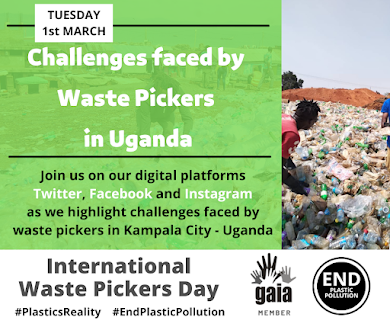
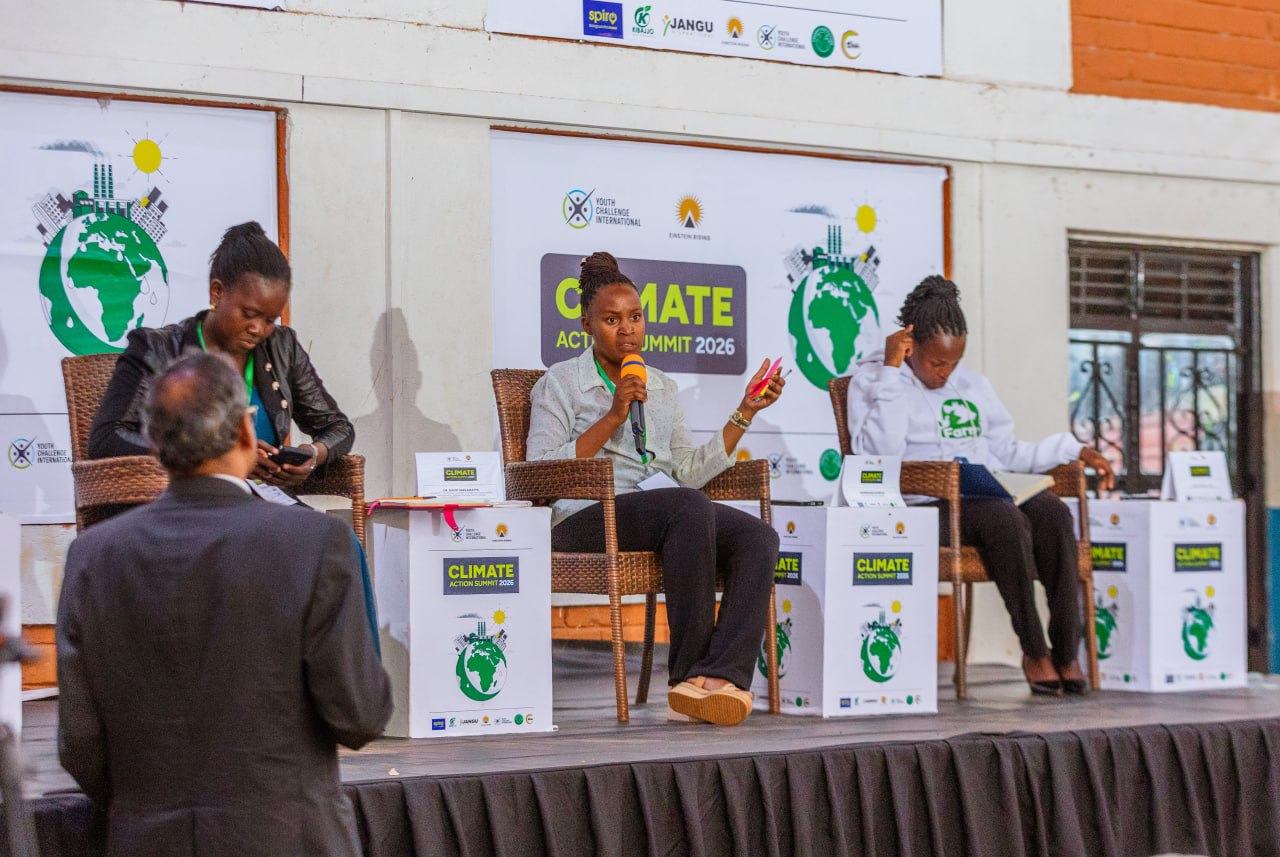
- Organized events for Global Waste Pickers Day (March 1), International Zero Waste Day (March 30), Earth Day (April 22), World Cleanup Day (September), and others, including summits, X Spaces, and brand audits with GAYO Uganda to hold polluters accountable.
- Advocated for a strong UN Plastics Treaty (#INC5_2), amplifying youth demands for lifecycle regulation, toxics reduction, and justice for frontline communities. Released a video and articles on Africa's youth rising against plastic pollution.
- Highlighted policy issues, such as Uganda's failed 2015 plastic bag ban and the need for single-use plastic (SUP) reductions, sachets bans, and extended producer responsibility.
Collaborations and Visits
- Partnered with GAYO Uganda for waste audits, trainings, and NDC consultations; GAIA for zero waste youth trainings and organic projects; Break Free From Plastic for advocacy; and others like UpcycleItGhana, AFD-The French Development Agency, and Plastic Free July.
- Hosted international visitors, including from Switzerland, France, and Ghana, sharing zero waste stories and resources.
- Engaged in high-level workshops, such as on Nationally Determined Contributions (NDCs), linking waste management to Uganda's climate goals.
EPP Impact Metrics in 2025
- Waste Recovery: 50+ tons of plastics diverted; expanded organic composting, reducing methane from landfills. Job Creation: Integrated 32+ waste pickers, creating livelihoods and formalizing their roles.
- Community Reach: Engaged hundreds in trainings, audits, and events; assessed multiple sites like Buyala Dumpsite, Ssekanyonyi dumping ground.
- Environmental Benefits: Promoted composting for food production (e.g., harvesting vegetables); avoided chemical fertilizers, enhancing biodiversity.
- Digital Awareness: Posts reached thousands, with high engagement on educational content (e.g., plastic health risks, treaty demands).
- Global Influence: Contributed to Africa-wide zero waste efforts, with 11 countries involved in organic management projects.Challenges faced in 2025.
- Persistent illegal dumping and burning in communities, exacerbated by mixed waste practices and lack of infrastructure.
- Policy enforcement gaps, such as the ongoing plastic bag crisis despite bans.
- Resource constraints for scaling BSF farming and MRF expansions.
- Health and economic impacts on waste pickers, including gender disparities (many are women facing discrimination).
EPP Future Plans
- Expand Youth Zero Waste Training to Round 2 and beyond, targeting more communities.
- Scale BSF farming and organic waste facilities with SIMBA model.
- Advocate for stronger plastics policies in Uganda, including SUP bans and producer accountability.
- Host more summits and audits, aiming for 30+ tons of waste recovery in 2026.
- Strengthen partnerships for funding and technology, focusing on methane mitigation and circular economy transitions.
Conclusion
2025 marked a transformative year for EPP, proving that community-led zero waste models can drive real change amid the global plastics crisis. By recovering resources, empowering youth, and advocating for justice, we not only reduced pollution but built resilient, sustainable communities. Together, we move toward a waste-free world.
For more details, follow our digital platforms:
X: https://x.com/EndPlasticsNow
Facebook: https://www.facebook.com/EndPlasticPollutionow/
Instagram: https://www.instagram.com/endplasticpollutionow
LinkedIn: https://www.linkedin.com/company/endplasticpollution/